Non-Profit NetworkFree accident support & lawyer connection nationwide. No upfront legal fees.
Free Helpline: 855-606-3825
Non-Profit Legal Resource Center

Comprehensive Accident & Injury Resource Guides

The hours and days following an accident are critical. Mistakes made in dealing with insurance adjusters or delaying medical treatment can severely hurt your case. Review our field-tested guidance below.

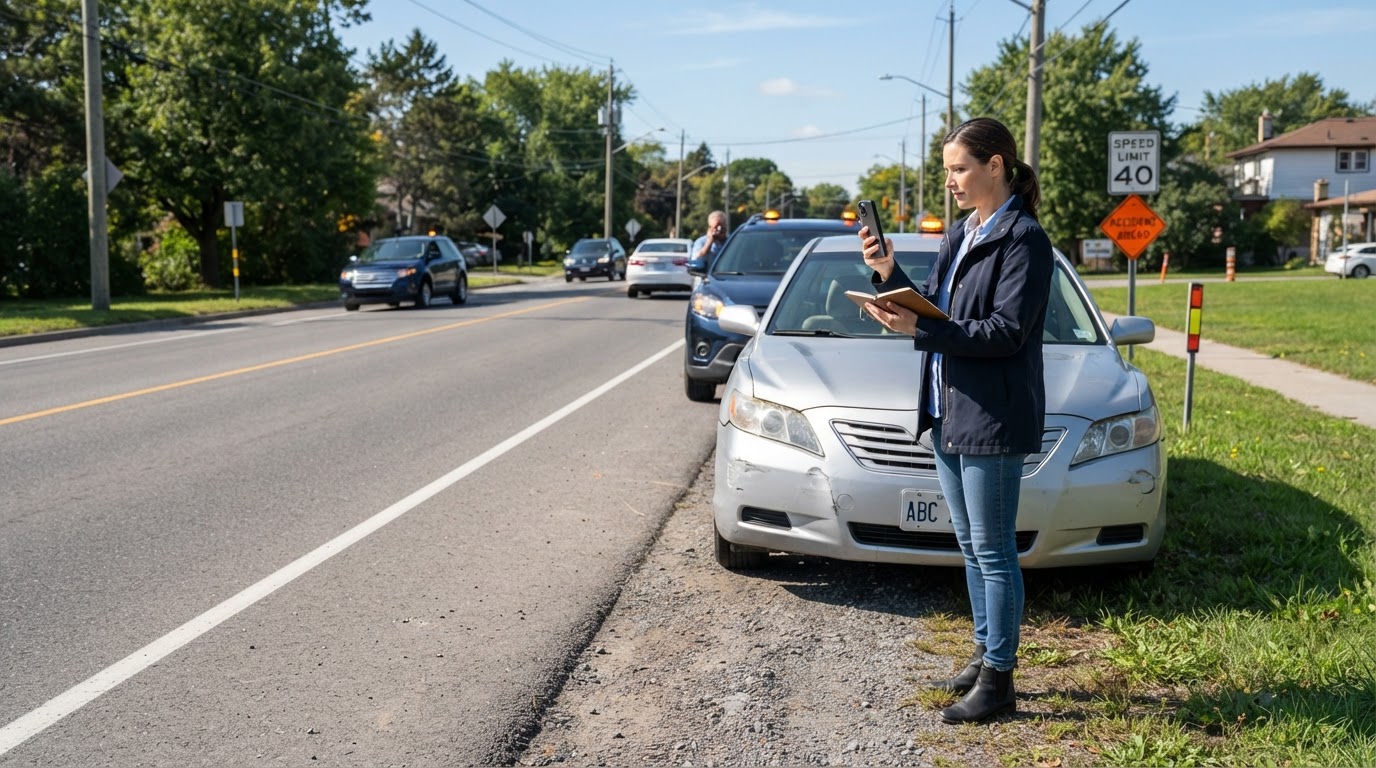
Accident victim safely documenting scene after minor car collision
Immediate Safety Priority

Were you just involved in an incident within the past 48 hours?

Get evaluated by a medical doctor immediately. Concussions and internal trauma often do not display pain until 24–72 hours post-impact. Do not speak with the other party's insurance company until you have consulted counsel.

Motor Vehicle Resource

Motor Vehicle Accident Immediate Action Plan

4 min read

Step-by-step roadmap right after a car, truck, motorcycle or rideshare crash to safeguard your health and legal rights.

1

Check for Safety & Call 911 Immediately

Prioritize human life above all else. Never leave the scene before officers and medics arrive.

  • Do: Move vehicles out of active traffic if safe to do so
  • Do: Turn on emergency hazard flashers immediately
  • Do: Request police and paramedics to draft an official accident report
  • Don't: Do not flee or leave the scene of an accident (hit and run penalty)
  • Don't: Do not argue with other drivers on the road or assign blame
2

Document Everything and Exchange Credentials

Physical evidence and witness statements disappear rapidly once wreckers clear the scene.

  • Do: Photograph license plates, damage to all vehicles, and roadway skid marks
  • Do: Exchange names, insurance carrier policy numbers, and driver license details
  • Do: Ask any nearby witnesses for their name and mobile phone numbers
  • Don't: Do not apologize or admit fault, even casually ('I'm so sorry, I didn't see you')
  • Don't: Do not sign any insurance settlement release papers on scene
3

Get Prompt Medical Evaluation (Within 24-48 Hours)

Adrenaline masks shock, concussions, and soft tissue spinal injuries that worsen over subsequent days.

  • Do: Visit an ER, urgent care, or primary doctor as soon as possible
  • Do: Explain explicitly that injuries resulted from a motor vehicle crash
  • Do: Follow doctor prescriptions and therapy regimens closely
  • Don't: Do not 'tough it out' — insurance adjusters use gaps in treatment to deny claims
  • Don't: Do not tell adjusters you feel 'fine' before having a medical scan
4

Consult with a Qualified Local Attorney Before Insurers

Insurance adjusters are trained to record statements that minimize what they pay you.

  • Do: Speak to a reputable lawyer first — initial evaluations are free
  • Do: Keep copies of your vehicle repair estimates and all medical invoices
  • Do: Notify your own auto insurer that a crash took place
  • Don't: Do not give a recorded statement to the at-fault driver's insurance without counsel
  • Don't: Do not accept a fast check in exchange for closing your case prematurely

Evidence Checklist:

  • Official Police Incident Report Number
  • Names & Badges of Attending Police Officers
  • Clear photos of vehicle damage, weather conditions & road signs
  • Name & policy number of other drivers' insurance
  • All medical receipts, discharge papers, and medication labels
  • Pay stubs showing missed workdays and lost wages

* Every state has strict Statutes of Limitations (typically 1 to 3 years from accident date). Missing this deadline forfeits your right to compensation permanently.

Connect with an Attorney for this Incident
Personal Injury Resource

Premise Liability & Slip/Trip/Fall Survival Guide

5 min read

What to do if you are injured in a commercial grocery store, apartment complex, parking structure, or private property.

1

Report the Incident to Property Management Right Away

Create an official on-site incident record before the property owner cleans or conceals the hazard.

  • Do: Ask for the store manager, landlord, or security supervisor
  • Do: Request that a formal written incident report be drafted immediately
  • Do: Ask for a physical or photo copy of the completed incident report
  • Don't: Do not leave without informing on-duty management
  • Don't: Do not sign liability waivers or accept store gift cards as settlement
2

Photograph the Dangerous Condition Immediately

Spills dry, torn carpets get taped over, and ice melts. Visual evidence is critical.

  • Do: Photograph the exact hazard (liquid puddle, broken stair tread, missing handrail, poor lighting)
  • Do: Take wide shots showing whether 'Caution Wet Floor' signs were absent
  • Do: Preserve the footwear and clothing you were wearing without washing
  • Don't: Do not let the store cleanup crew remove the evidence without taking photos first
  • Don't: Do not post photos or comments about your fall on social media
3

Document Witnesses & Security Video Preservation

Commercial establishments routinely overwrite surveillance video footage within 7 to 30 days.

  • Do: Obtain contact details of other customers or employees who saw you fall
  • Do: Have an attorney send an immediate formal spoliation letter demanding video preservation
  • Do: Seek immediate emergency medical treatment for fractures, head trauma, or back injury
  • Don't: Do not assume the store will voluntarily preserve security camera footage for you
  • Don't: Do not delay medical care

Evidence Checklist:

  • Copy of written Incident Report from store/property manager
  • Photos of wet substance, broken steps, or tripping obstacle
  • Photos of your physical bruises, cuts, or casts
  • Contact information of store personnel and bystander witnesses
  • Record of medical appointments, co-pays, and physical therapy

* Premises claims require proving the owner had notice of the hazard. Fast legal intervention is essential before surveillance cameras cycle.

Connect with an Attorney for this Incident
Workplace Resource

Workplace & Construction Site Injury Legal Protocol

4 min read

Navigate workers' compensation claims while identifying third-party negligence that can unlock substantial additional recovery.

1

Notify Your Supervisor & File Form Within State Timelines

Failing to report a job injury in writing within state deadlines can nullify your workers' comp protection.

  • Do: Notify your immediate boss in writing within 24 hours
  • Do: Complete your company's formal Injury/Illness Incident report
  • Do: Keep an exact copy of the signed and dated form for your own files
  • Don't: Do not rely on verbal notices alone
  • Don't: Do not let an employer dissuade you from filing to protect their safety record
2

Seek Authorized Medical Care & Detail Job Causes

Your health comes first. Understand whether your state requires authorized network physicians.

  • Do: Seek emergency care immediately if life-threatening
  • Do: Clearly inform physicians that the injury occurred on duty
  • Do: Carefully document all limitations, work restrictions, and lost wages
  • Don't: Do not perform duties that violate physician work restrictions
  • Don't: Do not skip follow-up therapy sessions
3

Investigate Third-Party Negligence Beyond Workers' Comp

Workers' comp covers medical and partial wages, but prohibits pain and suffering damages from employers. Third parties (subcontractors, equipment makers) are not immune.

  • Do: Identify if an outside delivery truck, subcontractor, or equipment maker caused the injury
  • Do: Consult an attorney to evaluate dual workers' comp + third-party tort claims
  • Do: Explore full wage loss, emotional distress, and future life care compensation
  • Don't: Do not assume workers' comp is your only avenue of financial relief
  • Don't: Do not discard defective tools, harnesses, or safety gear

Evidence Checklist:

  • Written Employer Injury Notification Form timestamped
  • Authorized Physician Work Status Notes / Restrictions
  • Identification of any outside vendors, equipment manufacturers, or contractors
  • Photos of defective machinery, scaffolding, or workplace hazards
  • OSHA inspection reports if triggered

* Employer notification deadlines in some states are as short as 30 days. Contact an advocate as early as possible.

Connect with an Attorney for this Incident

Need Personalized Guidance For Your Exact Case?

Every accident scenario has unique details. Our non-profit network provides a free 2-minute evaluation to connect you directly with a local attorney who handles your specific type of injury.